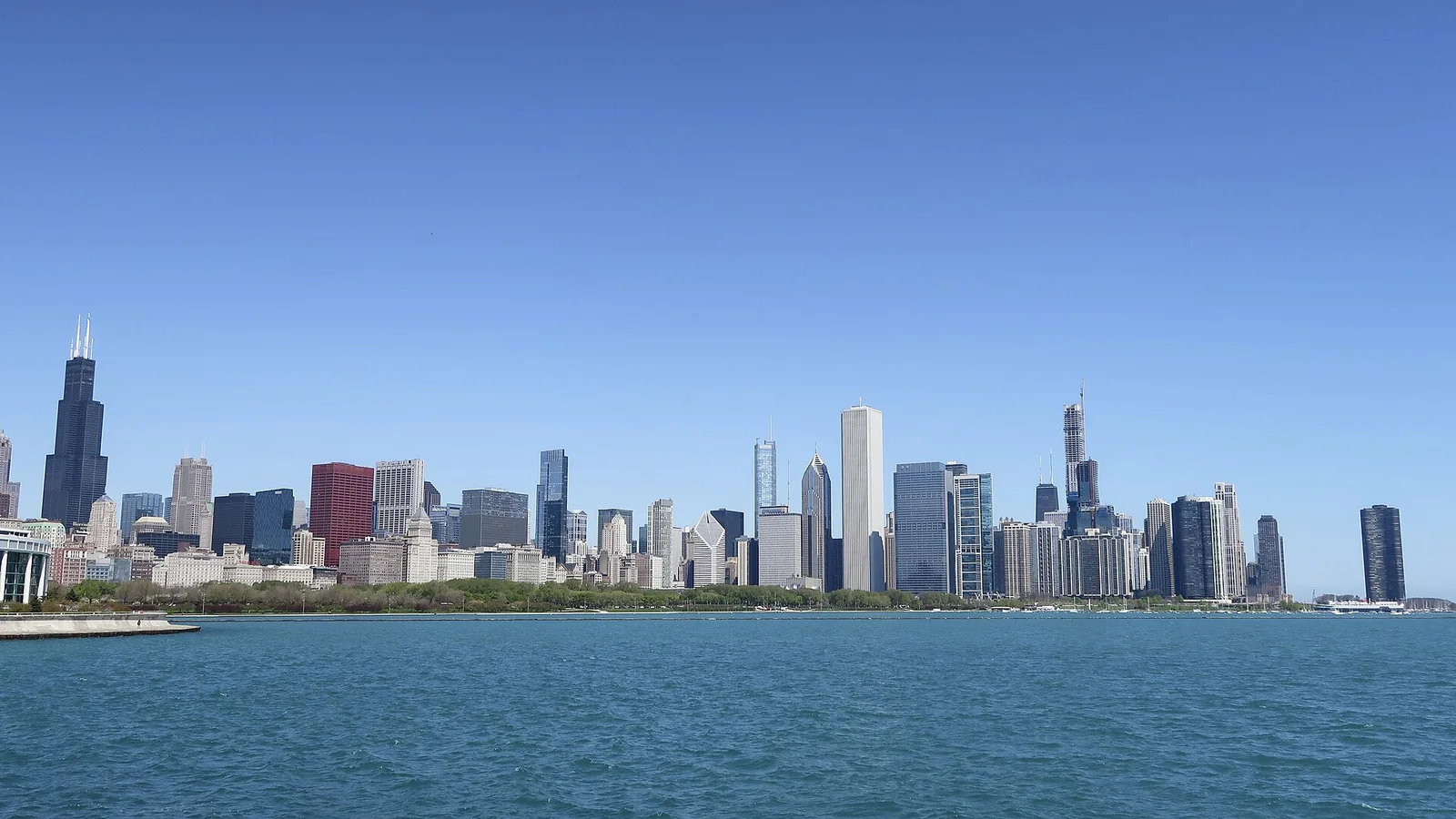
Lake Michigan gives Chicago room to breathe. From downtown, a short journey can replace close-set streets with open water, broad sky, and long views of the skyline. The shoreline is worth more than a quick photograph between attractions. Give it a deliberate place in your itinerary, even if that means choosing a short walk instead of another ticketed stop.
Choose the experience before the distance
The lakefront connects many parks, beaches, harbors, museums, and neighborhoods. That does not mean you need to travel a long section. Decide whether you want a skyline view, a quiet place to sit, a museum approach, a beach visit, or a longer walk. The best starting point depends on that choice and the rest of your day.
For a first visit, a stretch near downtown is easy to combine with other plans. Farther along the shoreline, the skyline becomes a distant reference and the relationship between parks and residential neighborhoods becomes more noticeable. Both experiences belong to Chicago.
Build a day around one major stop
Museum Campus combines waterfront space with major cultural institutions. Choose a museum because its subject interests you, and give it enough time. A museum visit and a lakefront walk can form a satisfying day without adding several more large attractions.
Elsewhere, combine the shore with a meal or cultural stop in a nearby neighborhood. Look at the actual route between the two. Large roads, parks, and changes in level can make a straight line on a map less direct on foot.
Share the path comfortably
Walkers, runners, cyclists, and other visitors all use the lakefront. Follow signs and the designated path for your activity, stay aware of people moving at different speeds, and step aside before stopping for a photograph. Keep groups compact when a section becomes busy.
If you plan to cycle, choose a distance you can comfortably return from. A pleasant outward trip can become harder with a headwind or a tired group. Check current rental conditions, helmet availability, and route guidance with your chosen operator rather than assuming every rental arrangement is the same.
Let the weather shape the plan
Conditions by the lake can differ from those on a sheltered downtown street. Carry an extra layer and check the forecast close to your outing. In hot weather, plan for water, sun protection, and shade breaks. In cold or wet conditions, choose suitable footwear and shorter outdoor sections.
Swimming and beach use require their own checks. Follow current posted conditions and lifeguard guidance, and do not enter the water simply because it looks calm. If a planned activity is unavailable, the shoreline can still be part of the day as a walk or viewpoint.
A simple lakefront planning pattern
- Choose a start and finish connected to your accommodation or transit.
- Pick one main stop, such as a museum, park, or neighborhood meal.
- Leave an unstructured interval for sitting, looking, or a shorter extra walk.
- Keep a weather alternative and an easy return option.
This pattern is especially useful with children or a group whose walking pace varies. Agree on the main stop first, then treat any extra distance as optional.
Connect the waterfronts
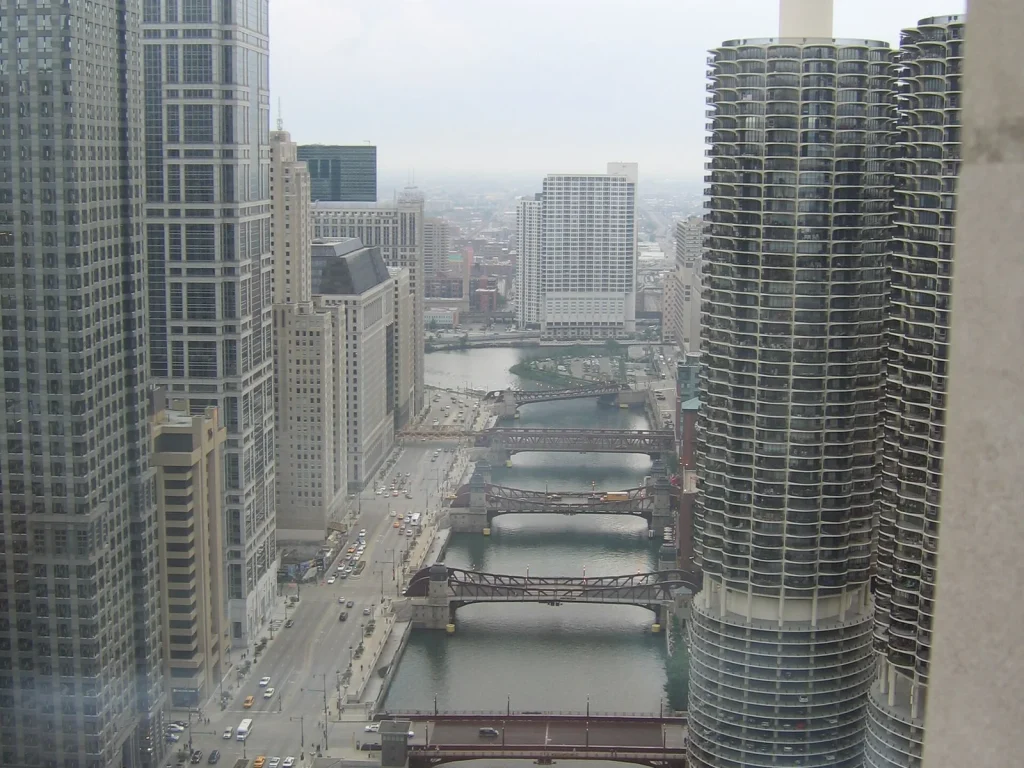
The river and lake offer contrasting views of Chicago: the river concentrates architecture into a close corridor, while the lake opens the city to a long horizon. Try them on different days or connect a short section of each without making it an endurance test. Our riverwalk guide and first-time itinerary framework can help you choose that balance.
Still comparing Sightseeing?
Ask for tour ideas, hotel suggestions, or a simple trip plan that combines both.