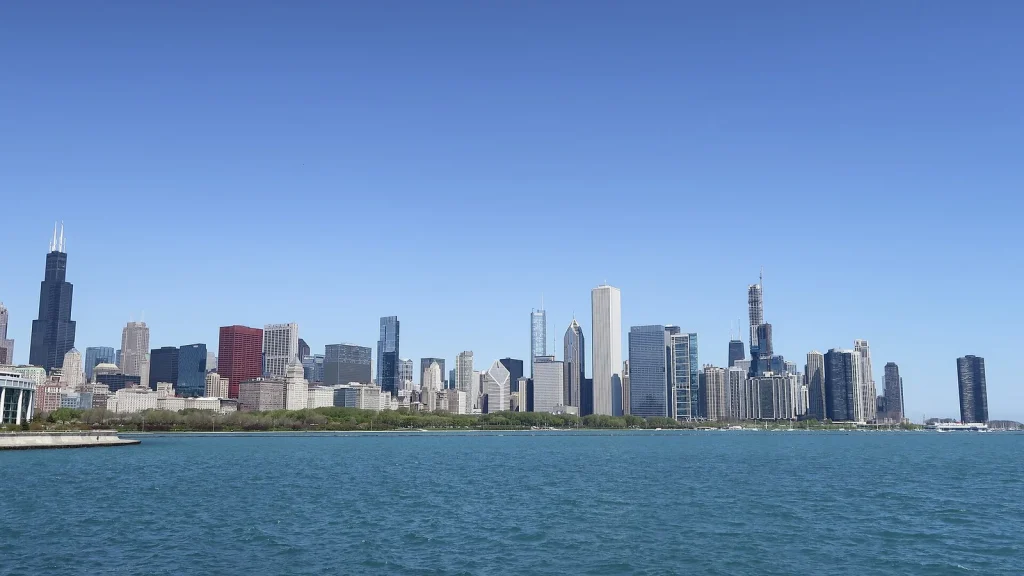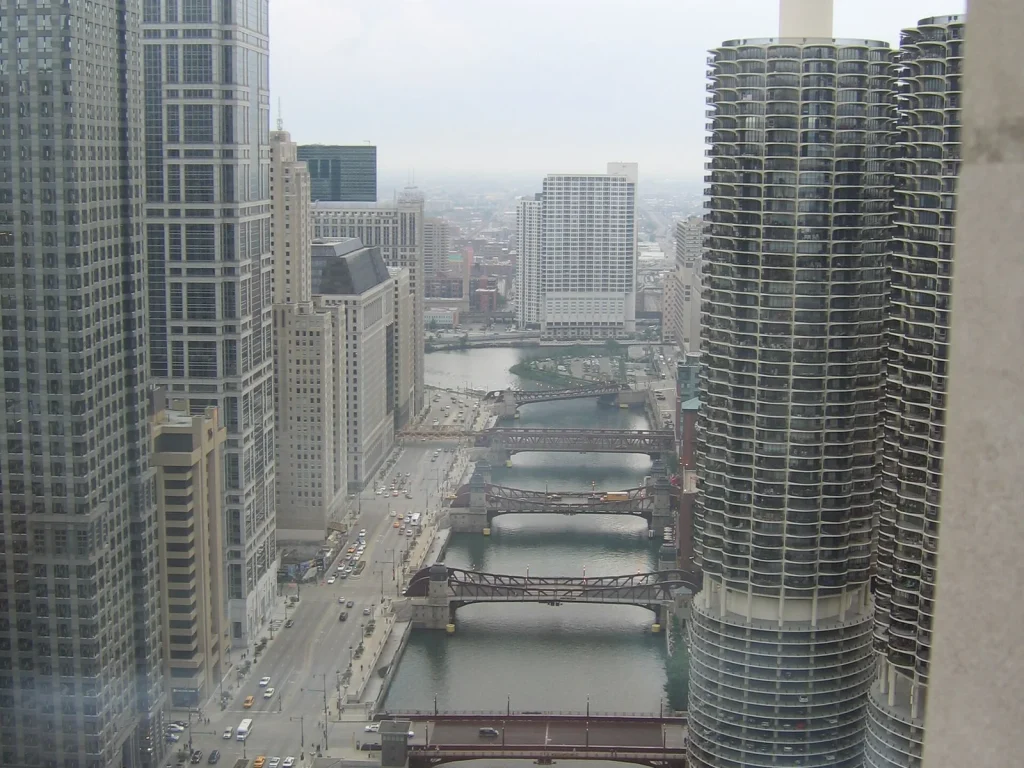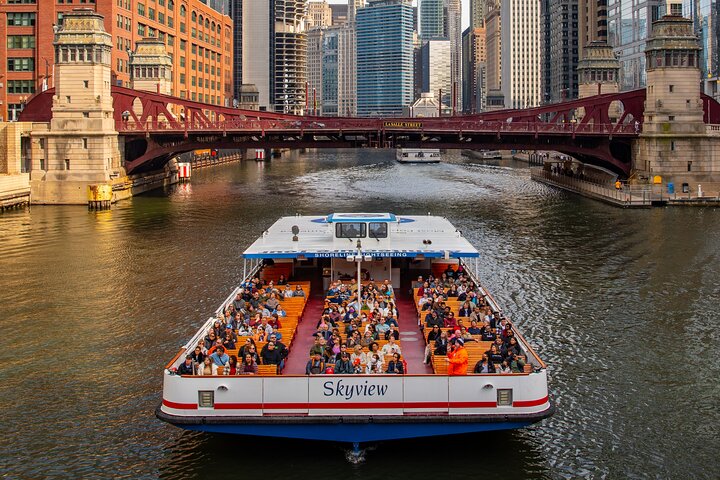
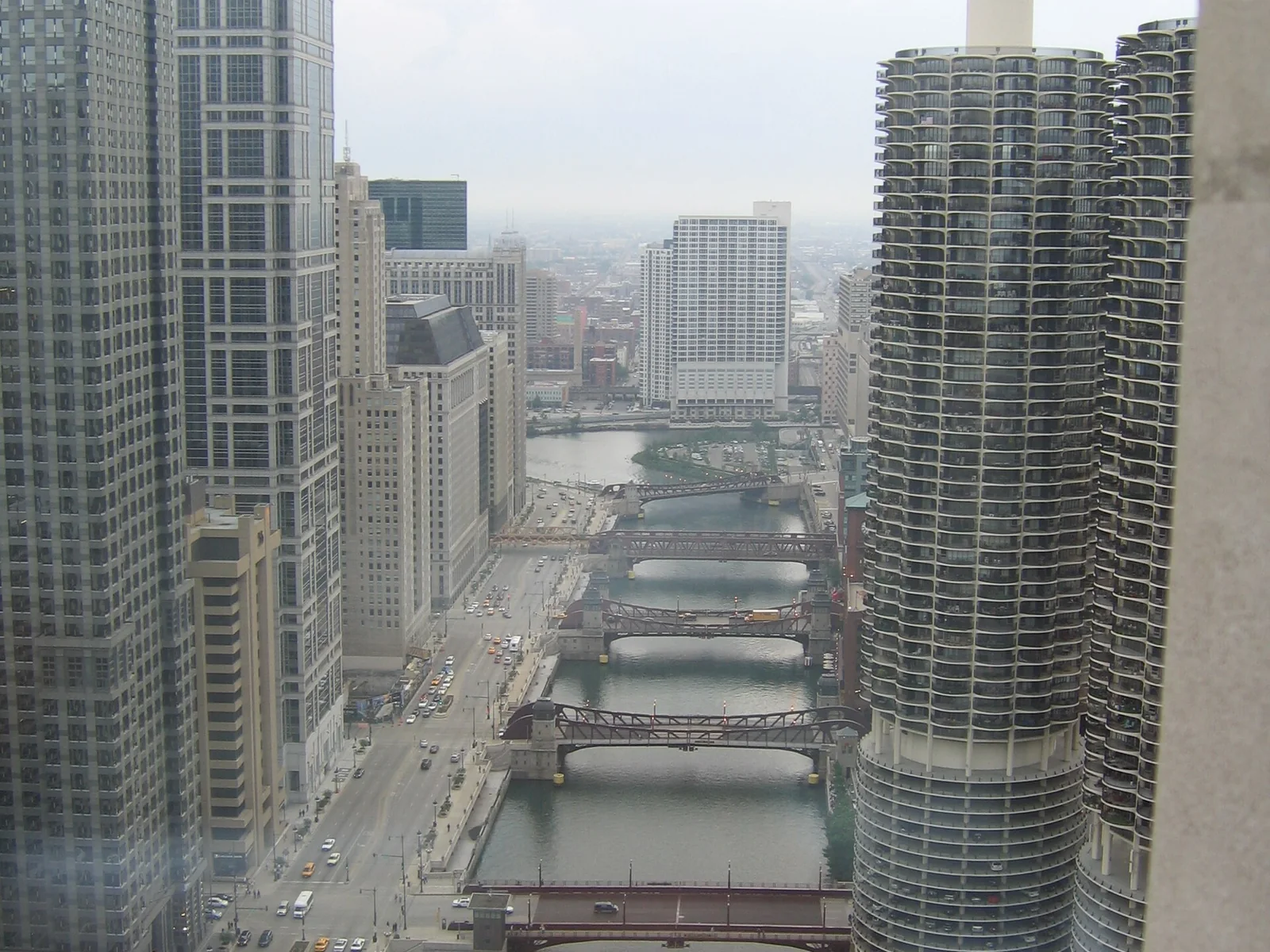
The Chicago River is one of the easiest places to begin understanding the city. It cuts across the downtown grid, places very different buildings opposite one another, and creates a sequence of bridges that keep changing your view. You do not need to recognize every tower to enjoy it. Start by looking at the relationship between water, streets, and entrances, then let individual buildings catch your attention.
Choose a manageable stretch
The downtown Riverwalk follows the south bank of the river between the lakefront side of downtown and Lake Street. Its sections have different widths, seating arrangements, and connections to the street above. Choose a starting point that works with your hotel or transit route, rather than walking the entire length simply because it is there.

Chicago River 90-Minute Architecture Tour
Be inspired by the captivating, visual art that is Chicago’s legendary architecture, and the exceptional architects who created this ever-changing...

Chicago Hop On Hop Off Open Top Bus Tour
Discover Chicago at your own pace with Big Bus. Travel aboard an open-top, double-decker bus and enjoy panoramic views of the city's most famous landm...
Allow space in the plan for stairs, crossings, and changes in level. If you need a step-free route, check current access information before setting out and identify the suitable entrances. A map viewed from above does not show every change between street and river level.
Look across before you look up
From the river, a facade becomes part of a larger composition. Notice how windows repeat, how a tower meets its base, and how glass reflects buildings on the opposite bank. Older masonry, modern steel and glass, and riverside landscaping reveal different approaches to making a city.
At a bridge, pause where you can do so without blocking the crossing. The structure frames a view and gives scale to the waterway. Chicago’s movable bridges are working infrastructure. Respect barriers and signals, and do not assume bridge operations or boat traffic follow a timetable you have seen on an older visit.
Combine the walk with one anchor
An architecture cruise can provide context for what you see from shore. A museum, cultural center, or planned meal can also give the walk a clear destination. Choose one anchor and leave room around it. Trying to fit a long cruise, a large museum, multiple observation decks, and a substantial walk into the same short afternoon can make the river feel like a corridor you rush through.
- For an architecture-focused day, choose a guided experience and revisit one stretch on foot.
- For a relaxed arrival day, walk a shorter section and find a place to sit.
- For a lakefront day, use the river as the connection between downtown streets and open water.
Plan around the conditions
The water’s edge can feel different from the streets nearby. Wind, sun, rain, and seasonal conditions affect comfort. Carry a layer, use suitable footwear, and keep an indoor alternative in mind. Confirm current access and operating details with the relevant venue or operator.
Below street level, sounds and sightlines change. You may hear passing boats, conversations from seating areas, and traffic from the bridges overhead. That contrast is part of the experience. Leave a little time to watch the city work rather than making every pause a photograph.
Keep the rest of the day close
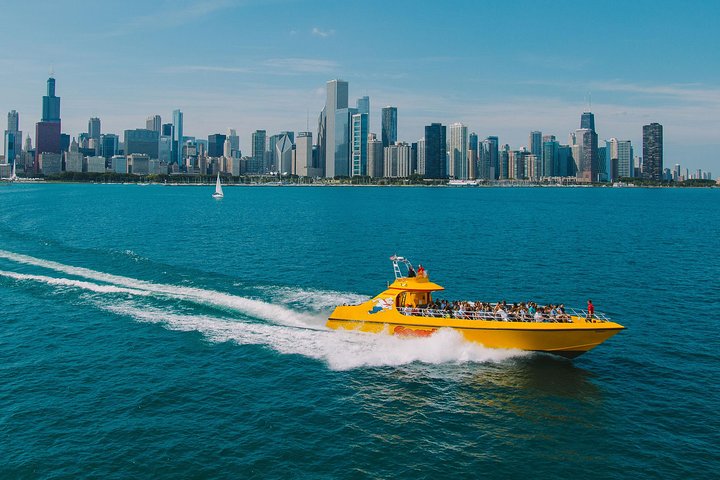
Lake Michigan 30 Minute Speedboat Ride
Enjoy Chicago’s iconic skyline with an exciting speedboat Tour on Lake Michigan. Departing from Navy Pier, the Lak...

Chicago Architecture and True Crime History Tour
Get the best of both worlds: explore Chicago’s stunning architecture while uncovering its dark past. Inspired by D...

Chicago River 45-Minute Architecture Tour from Magnificent Mile
Experience Chicago's legendary architecture and the exceptional architects who created this ever-changing legacy for...
Chicago Hop On Hop Off Open Top Bus Tour
Discover Chicago at your own pace with Big Bus. Travel aboard an open-top, double-decker bus and enjoy panoramic views of the city's most famous landm...
Chicago River 90-Minute Architecture Tour
Be inspired by the captivating, visual art that is Chicago’s legendary architecture, and the exceptional architect...
Finish in an area that connects naturally to your next stop. A walk that ends near dinner or a transit connection is easier than one requiring you to retrace the whole route. For a wider planning framework, use our first-time Chicago guide. If you want to balance the river’s architectural density with more open space, read our lakefront planning guide.
Still comparing Chicago Riverwalk Architecture Planning?
Ask for tour ideas, hotel suggestions, or a simple trip plan that combines both.