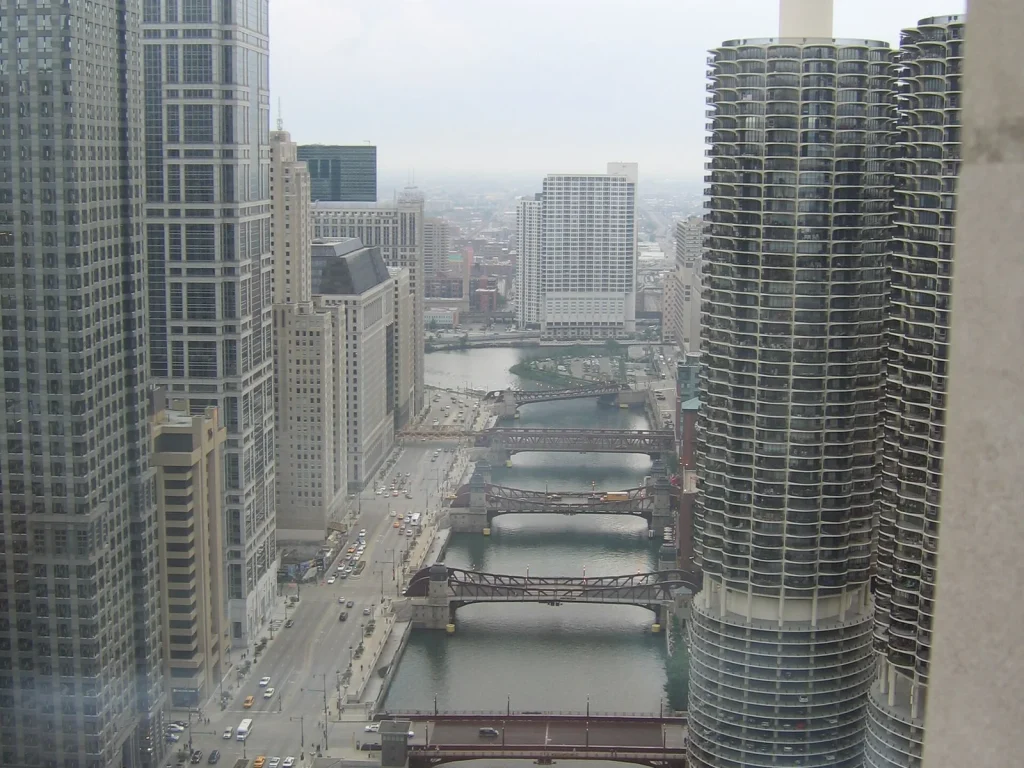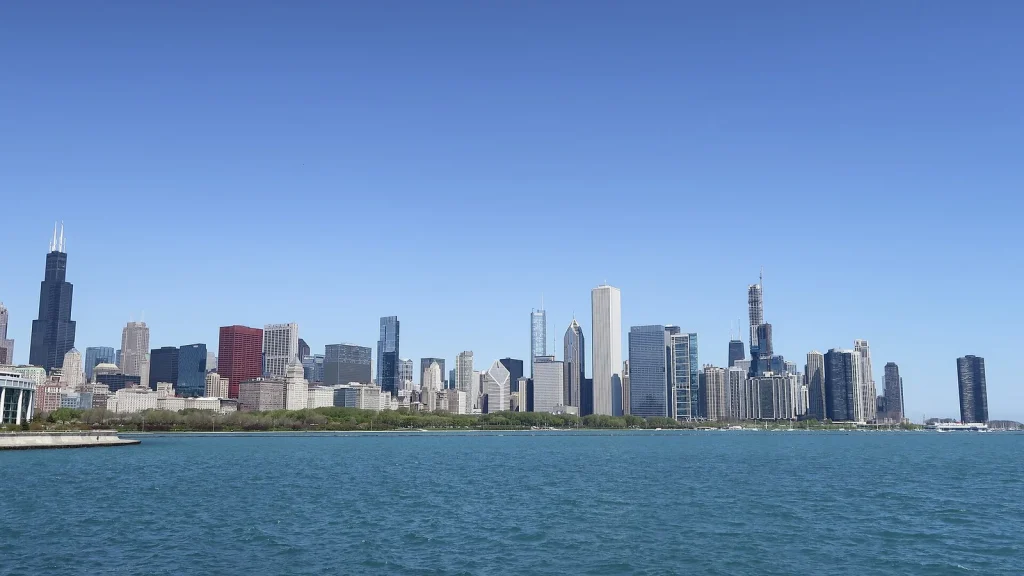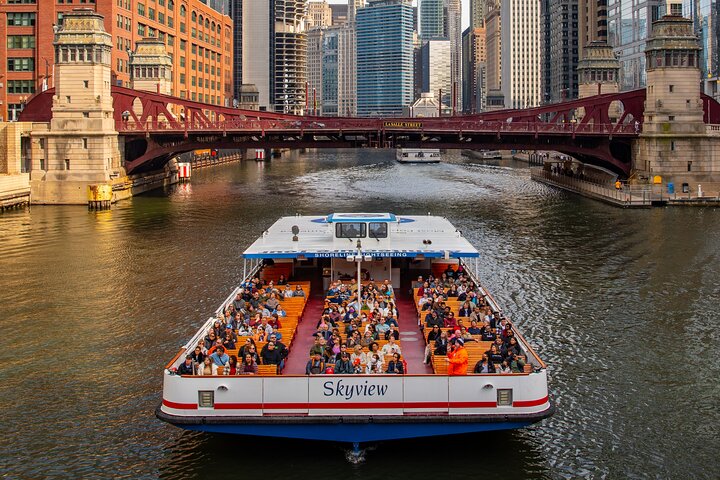
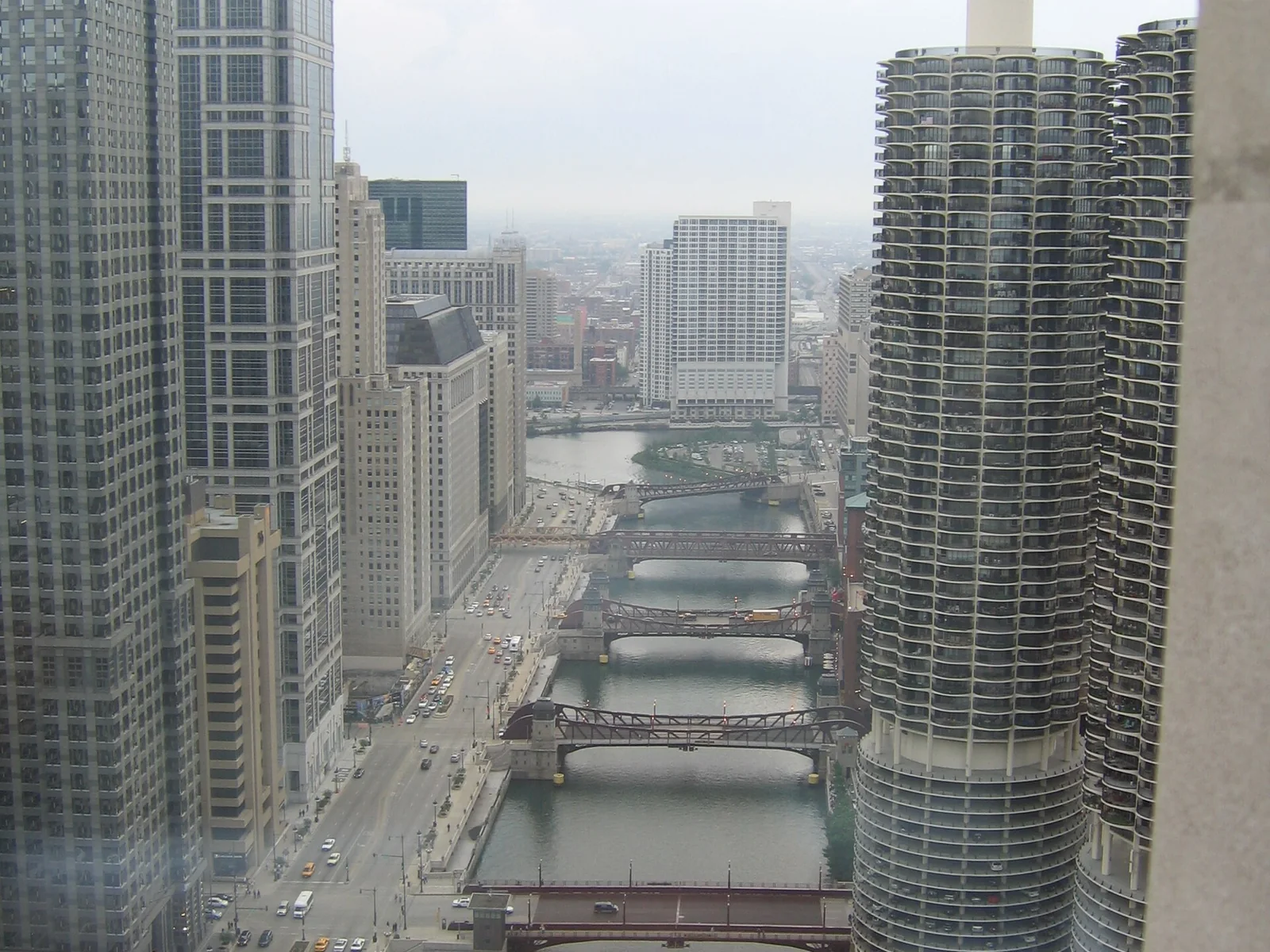
Chicago can feel immediately recognizable and surprisingly hard to organize. The skyline is familiar, the lake is enormous, the river seems to turn every few blocks, and the neighborhoods extend far beyond the downtown map most visitors first see. A good first trip does not try to collect every landmark. It uses a few strong lines to make the city understandable: Lake Michigan for orientation, the Chicago River for architecture, the elevated train for movement, and neighborhood streets for the meals, music, parks, shops, and everyday scenes that give the trip its character.
This guide offers a framework rather than a minute-by-minute schedule. Conditions, hours, admission policies, and transit service can change, so confirm time-sensitive details with the relevant venue or operator before leaving. The aim is to help you group places sensibly, avoid unnecessary backtracking, and leave enough flexibility for weather and discovery. Chicago rewards both preparation and an unhurried block or two.

Chicago Lake and River Architecture Tour
An authentic Chicago tradition since 1935, this is the tour that started it all. This unique excursion tells the story of more than 200 years of fasci...

Chicago River 90-Minute Architecture Tour
Be inspired by the captivating, visual art that is Chicago’s legendary architecture, and the exceptional architect...

Chicago River 45-Minute Architecture Tour from Magnificent Mile
Experience Chicago's legendary architecture and the exceptional architects who created this ever-changing legacy for...

Chicago Crime and Mob Bus Tour
Escape into Chicago's underworld on a crime and mob tour with stops on-and-off the luxury, climate-controlled bus. E...
Start with the map Chicago gives you
Lake Michigan is the city’s clearest compass. When you are downtown, the lake is east. The Chicago River crosses the center and creates a second strong reference. Streets largely follow a grid, while the river and rail lines create the bends and layers that make a walk visually interesting. Learning those relationships is more useful than memorizing a long attraction list.
The central business district, called the Loop, is encircled by elevated train tracks. It contains a dense concentration of architecture, cultural institutions, parks, theatres, offices, and transit connections. North of the river, River North and Streeterville bring more galleries, restaurants, hotels, and waterfront access. South of the Loop, the South Loop connects to Museum Campus and neighborhoods farther down the lake. West of downtown, the West Loop has a different warehouse and restaurant character. None of these areas represents Chicago alone, but together they form a practical first orientation.
Three lines to remember
- The lake line: parks, beaches, Museum Campus, long views, and the Lakefront Trail.
- The river line: bridges, architectural layers, river-level walks, boat departures, and connections between the Loop and Near North Side.
- The neighborhood line: the rail or bus route that takes you to a district where you can spend several hours on foot.
Choose a base by the trip you want
A central hotel is convenient for a first visit, but “central” can describe several different experiences. The Loop is practical for architecture, major museums, Millennium Park, and many transit lines. It can feel quieter after office and theatre activity subsides in some blocks. River North keeps more restaurant and nightlife choices nearby. Streeterville provides lake and Navy Pier access, though trips west or south may take longer. The West Loop suits visitors who prioritize dining and do not mind beginning some sightseeing days with a short ride.
Neighborhood stays can be rewarding when you already know the character you prefer. Lincoln Park and Lakeview offer lake access and residential streets. Wicker Park and Logan Square have strong dining, music, and independent-shop scenes. Hyde Park combines cultural institutions, parks, university architecture, and access to the South Side lakefront. Andersonville and Uptown have their own storefront, theatre, music, and community rhythms. Compare the actual address with the places you plan to visit instead of choosing by neighborhood name alone.
| Base style | Works well for | Planning note |
|---|---|---|
| Loop | Architecture, museums, parks, first orientation | Check evening dining options near the exact hotel |
| River North | Restaurants, galleries, nightlife, river access | Expect a busier evening environment |
| Streeterville | Lakefront, family attractions, central hotels | Allow extra time for trips west of the river |
| West Loop | Dining-focused trips and converted industrial character | Pair with a clear transit plan for museum days |
| Neighborhood base | Repeat visitors or travelers with a specific local focus | Check late-evening return options before booking |
Give architecture its own half day
Chicago’s architecture is not a decorative backdrop. It explains how the city grew, rebuilt, engineered new building types, and debated the relationship between commerce and public space. A dedicated architecture block lets you look rather than simply pass. The river is an especially efficient classroom because different periods and materials face one another across a narrow corridor.
An architecture boat tour can provide a broad introduction when weather and seasonal operation permit. Choose an established operator and verify the departure point, duration, accessibility, and conditions directly. A walking route can be equally rewarding. Around the river and Loop, look at how bridges meet streets, how towers address corners, how older masonry facades sit beside glass, and how lobbies or public interiors change the scale of the experience.
Do not schedule architecture as a race between observation decks. A high view can be memorable, but street and river levels reveal structure, entrances, materials, and movement. If you visit a tall-building viewpoint, balance it with a slow walk below. The contrast is the lesson.

Chicago in a Day Walking Tour: Food, History & Architecture
Immerse yourself in Chicago's rich history and vibrant culinary scene on this captivating walking tour. Discover the...
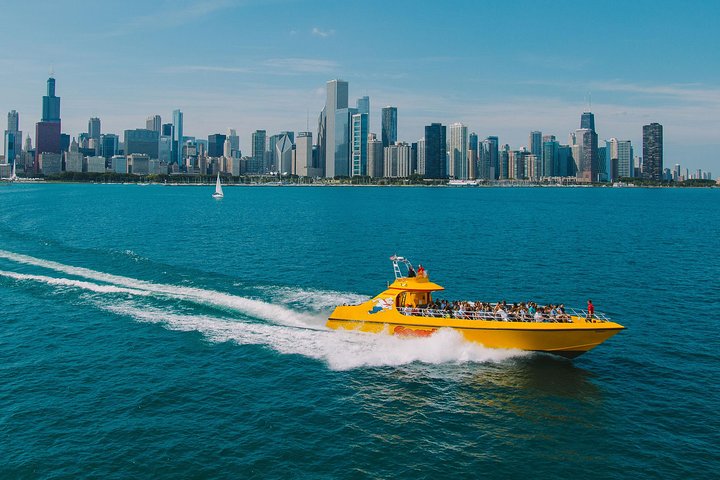
Lake Michigan 30 Minute Speedboat Ride
Enjoy Chicago’s iconic skyline with an exciting speedboat Tour on Lake Michigan. Departing from Navy Pier, the Lak...

Chicago Hop On Hop Off Open Top Bus Tour
Discover Chicago at your own pace with Big Bus. Travel aboard an open-top, double-decker bus and enjoy panoramic vie...
What to notice
- How the movable bridges repeat along the river while each crossing frames a different view.
- How early tall buildings use windows, bays, and masonry to express their structure.
- How modern towers create plazas, setbacks, and reflections at street level.
- How the elevated tracks change sound, light, and the apparent height of a street.
- How public art and landscape soften or challenge the surrounding grid.
Use the lakefront as more than a photograph
Lake Michigan gives Chicago unusual visual space for a major city. The water can appear oceanic, and conditions can change quickly. The shoreline connects beaches, parks, harbors, museums, paths, and residential neighborhoods. Instead of treating the lake as one stop, use it as a transition between parts of a day.
Museum Campus offers classic skyline views and a cluster of major institutions, but each museum can consume many hours. Choose one based on genuine interest. Trying to move through several large museums in a day often replaces curiosity with fatigue. The lakefront outside the buildings is part of the visit, so reserve time to walk, notice the changing skyline angle, and find a quieter view.
North and south of downtown, the shoreline changes. Beaches and parkland open wider, neighborhood access points feel less ceremonial, and the skyline becomes a distant orientation marker. A bicycle can extend the range, but only if you are comfortable with a shared path and current conditions. Walking a shorter segment may be more pleasant than turning the trail into a mileage target.
Plan neighborhoods as destinations, not detours
Chicago is often described as a city of neighborhoods because community histories, migration, architecture, business corridors, music, food, and public institutions have created distinct local identities. A responsible visit does not treat a neighborhood as a themed backdrop. Read about it, arrive during hours when the places you want to support are open, and spend enough time to understand more than one block.
Pilsen is widely associated with Mexican American culture, murals, food, and arts organizations. Murals should be approached as authored works tied to community and history, not as generic photo walls. Bronzeville is central to Chicago’s Black history and cultural life. Hyde Park combines museums, university spaces, historic architecture, parks, and lake access. Uptown has long-standing music and theatre venues alongside diverse communities. Chinatown supports both long-established and newer businesses and cultural institutions. Pullman offers a different view of labor, industry, planning, and preservation.
No short list can represent all of Chicago. Choose a neighborhood because its story and current offerings interest you, not because a social feed presented one photogenic corner. Check local cultural organizations, museums, business directories, and community publications for context. Spend directly with local businesses where practical, follow photography policies, and avoid describing normal community life as “undiscovered.”
A neighborhood afternoon pattern
- Begin with one museum, cultural center, historic site, park, or guided walk that provides context.
- Walk a commercial corridor at an ordinary pace, noting architecture and public space without blocking doorways or treating residents as scenery.
- Choose a meal, cafe, market, shop, performance, or gallery based on current local information.
- Leave time for one unscheduled stop and know your return route before evening.
Let food organize a route, not a checklist
Chicago’s food culture is much broader than a contest between famous dishes. Deep-dish pizza, tavern-style pizza, Italian beef, and the Chicago-style hot dog are recognizable traditions, but they sit within a city shaped by many communities, industries, markets, restaurants, bakeries, bars, and home cooking traditions. Treat signature foods as entry points rather than proof that you have completed the city.
A good food plan follows geography. If you are already visiting Pilsen, Chinatown, Uptown, Devon Avenue, Little Village, Bronzeville, Hyde Park, or another neighborhood, research businesses in that area rather than crossing the city for every meal on a viral list. Reservations may matter for some restaurants, while counter-service places may be easier to fit around a museum or walking day. Confirm current service and accessibility details directly.
Leave room for the meal you did not plan. A bakery window, market counter, cafe, or neighborhood recommendation can become more memorable than a reservation made months earlier. Flexibility works best when the rest of the day is geographically coherent.

Skydeck - Willis Tower Admission
Gaze upon the city sights from the pinnacle of Chicago, the Skydeck. Located on the 103rd floor of Willis Tower, for...

Art Institute of Chicago Skip-the-Line Exclusive Guided Tour
The Art Institute of Chicago attracts nearly as many visitors as other leading galleries like the Met, Louvre & Brit...

Field Museum of Natural History Admission Tickets
Explore over 40 million artifacts, including SUE, the world’s largest, most complete T. rex ever discovered! Disco...
Build culture into the evening
Chicago’s evening life includes major theatre, storefront theatre, comedy, blues, jazz, classical music, dance, clubs, and neighborhood venues. A performance changes the rhythm of a sightseeing day and provides a reason to see a district after dark. Choose by the work and venue rather than by a generic promise of “nightlife.”
Verify age restrictions, seating, accessibility, doors, show time, and late transportation with the venue. If the event ends late, decide how you will return before the performance. Avoid packing a long dinner across town immediately before curtain. A nearby meal makes the evening calmer and supports the idea of experiencing one area in depth.
Move with distance and weather in mind
The street grid makes many routes look simple, but the city is large. Two places that both have Chicago addresses may be far apart. Use current transit information for the specific day and allow a buffer when a timed admission or performance matters. The `L` is useful for many corridors, buses fill important gaps, and walking often supplies the most rewarding detail. Ride services and taxis can be useful, but traffic can erase the apparent advantage.
Weather affects the experience at every season. Lake wind can change how a temperature feels. Summer heat and sun matter on open paths and river walks. Rain can make architectural surfaces beautiful but slow travel. Winter requires serious attention to footwear, layers, and shorter outdoor blocks. The correct response is not to hide indoors for the entire trip, but to alternate exposure and shelter.
- Carry a layer even when the inland forecast looks mild.
- Use comfortable footwear suited to wet pavement and long museum floors.
- Keep one indoor alternative for a lakefront or boat block.
- Check accessibility and elevator status when mobility needs affect a rail route.
- Do not assume a seasonal activity operates every day within its broad season.
A flexible four-day framework
Day one: river and Loop orientation
Begin near the river or an elevated station where you can understand the downtown grid. Give architecture the central block, whether through a guided experience or a self-directed walk. Add one public interior, park, or museum-scale stop. Keep dinner within or just beyond the area you have already explored. The objective is orientation, not total coverage.
Day two: lakefront and one major institution
Choose a museum or cultural institution that deserves focused attention. Approach or leave along the lakefront so the day includes open space. If weather changes, reverse the order. A nearby neighborhood meal or evening performance can complete the day without a cross-city sprint.
Day three: neighborhood depth
Select one neighborhood or a pair of genuinely adjacent areas. Begin with context, continue through a walk and meal, and include a current local business or cultural program. This is the day to resist the downtown checklist. Let distance from the skyline change your understanding of the city.
Day four: personal Chicago
Return to the interest that made you most curious. That could mean more architecture, a second museum, a longer lakefront segment, music history, bookstores, gardens, public art, design, food, or a guided experience. Use the final day to deepen rather than merely add. If travel timing shortens the day, keep the last block close to your departure route.
Common first-trip mistakes
The most common planning error is treating every famous place as equally important. Another is underestimating travel time between neighborhoods. Visitors also lose time when they schedule several timed attractions without a meal or weather buffer. A subtler mistake is spending the entire trip downtown and then describing downtown as the whole city.
Avoid building a plan around unsupported assumptions. Prices, schedules, availability, ratings, and operator details can change. Use editorial guides for context and official or provider sources for current transactions. When a tour or hotel card appears on this site, its inventory and booking details come from the provider integration, not from this article.
Make the plan your own
A first Chicago visit succeeds when the city’s scale begins to feel legible but not exhausted. Use the lake for orientation, the river for architectural focus, transit for reach, and a neighborhood for depth. Keep one part of each day open. Notice the transition from monumental downtown spaces to ordinary streets, from cool waterfront light to warm interior stages, and from the strict grid to the river’s bends.

Chicago CityPASS®
Experience 5 top attractions and save up to 50% with Chicago CityPASS® tickets. One simple purchase removes the str...
Chicago River 45-Minute Architecture Tour from Magnificent Mile
Experience Chicago's legendary architecture and the exceptional architects who created this ever-changing legacy for...
Chicago Crime and Mob Bus Tour
Escape into Chicago's underworld on a crime and mob tour with stops on-and-off the luxury, climate-controlled bus. E...
Chicago Lake and River Architecture Tour
An authentic Chicago tradition since 1935, this is the tour that started it all. This unique excursion tells the story of more than 200 years of fasci...
Chicago River 90-Minute Architecture Tour
Be inspired by the captivating, visual art that is Chicago’s legendary architecture, and the exceptional architect...
Chicago River 45-Minute Architecture Tour from Magnificent Mile
Experience Chicago's legendary architecture and the exceptional architects who created this ever-changing legacy for...
Chicago Hop On Hop Off Open Top Bus Tour
Discover Chicago at your own pace with Big Bus. Travel aboard an open-top, double-decker bus and enjoy panoramic vie...
You do not need to see everything. You need a route with enough contrast to understand why Chicago is more than its skyline and enough breathing room to remember what you saw. Find a line through the city, follow it attentively, and let the next visit begin where this one ends.
Still comparing Chicago First Time River, Lakefront, Architecture, Food, And Neighborhood Trip?
Ask for tour ideas, hotel suggestions, or a simple trip plan that combines both.